Making a game is hard.
What starts with excitement usually turns into a hundred things happening at once.
At first, it’s ideas.
A mechanic that feels fresh.
A world worth building.
A visual style that finally clicks.
Late nights talking about how good it could become.
Then reality shows up.
The first build doesn’t run properly.
Something that looked simple takes two extra weeks.
One system breaks another.
The trailer date gets closer.
And suddenly the budget matters more than it did a week ago.
Now everyone is doing three jobs.
The programmer is fixing bugs while answering messages.
The artist is redoing assets that were “finished” last month.
Someone is trying to market the game while also testing it.
And every day there’s another decision that can’t wait.
I’ve seen this more than once with indie teams.
Not because they lack talent.
Usually the opposite.
They care so much about the game that they end up carrying too much themselves.
And somewhere in the middle of all that, audio gets pushed to later.
Music later.
Sound design later.
Polish later.
Until one day the game is close… but it still doesn’t quite feel there yet.
Movement has no weight.
Menus work, but don’t feel satisfying.
Combat happens, but lacks tension.
A beautiful world exists, but feels quieter than it should.
That part always interested me.
Because audio often arrives exactly when the team is already tired, overloaded, and trying to hold everything together.
You already have enough to carry. Let a professional take care of the audio, so you can keep building the game you’ve wanted to bring to life from the start.
That’s where I can be most useful. Not just by creating music or sound design, but by helping the game feel clearer, stronger, and closer to what the team knows it can be.
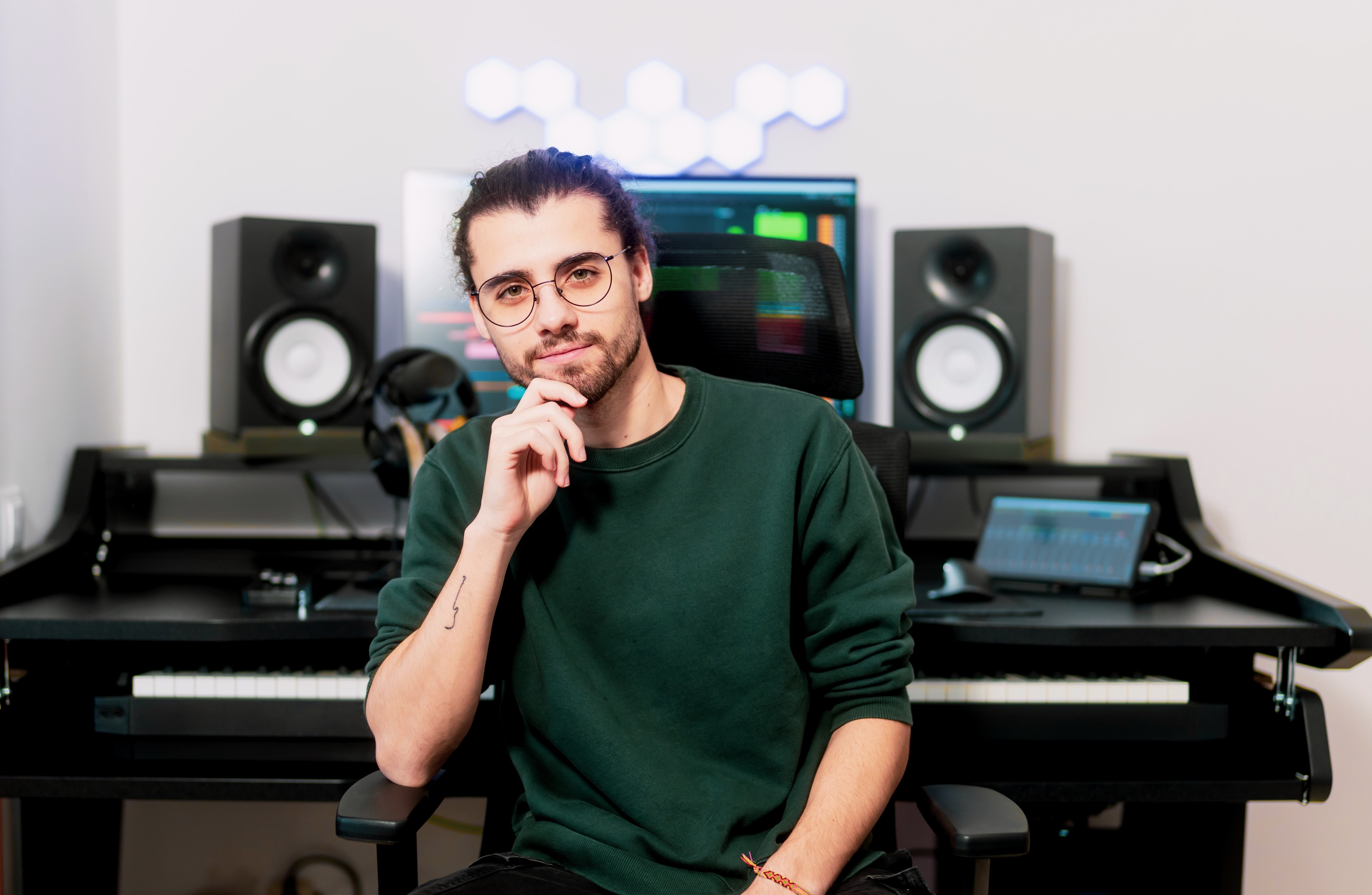
I started in music production and composition, but games taught me something deeper:
Good audio isn’t decoration.
It carries emotion.
It creates rhythm.
It rewards progress.
It gives identity to systems players use hundreds of times.
Since then, I’ve worked with indie projects creating music and sound design around what the game actually needs, whether that means gameplay loops that stay engaging, UI sounds that feel clear, atmosphere that supports exploration, or impact that simply feels right.
I’ve also worked on narrative film projects, where timing and emotion matter just as much. That shaped the way I still work today:
Audio should belong to the experience.
So if your team is deep in development, juggling too much, and wants the audio to feel like part of the game instead of another unfinished task — I’d love to help bring it home.








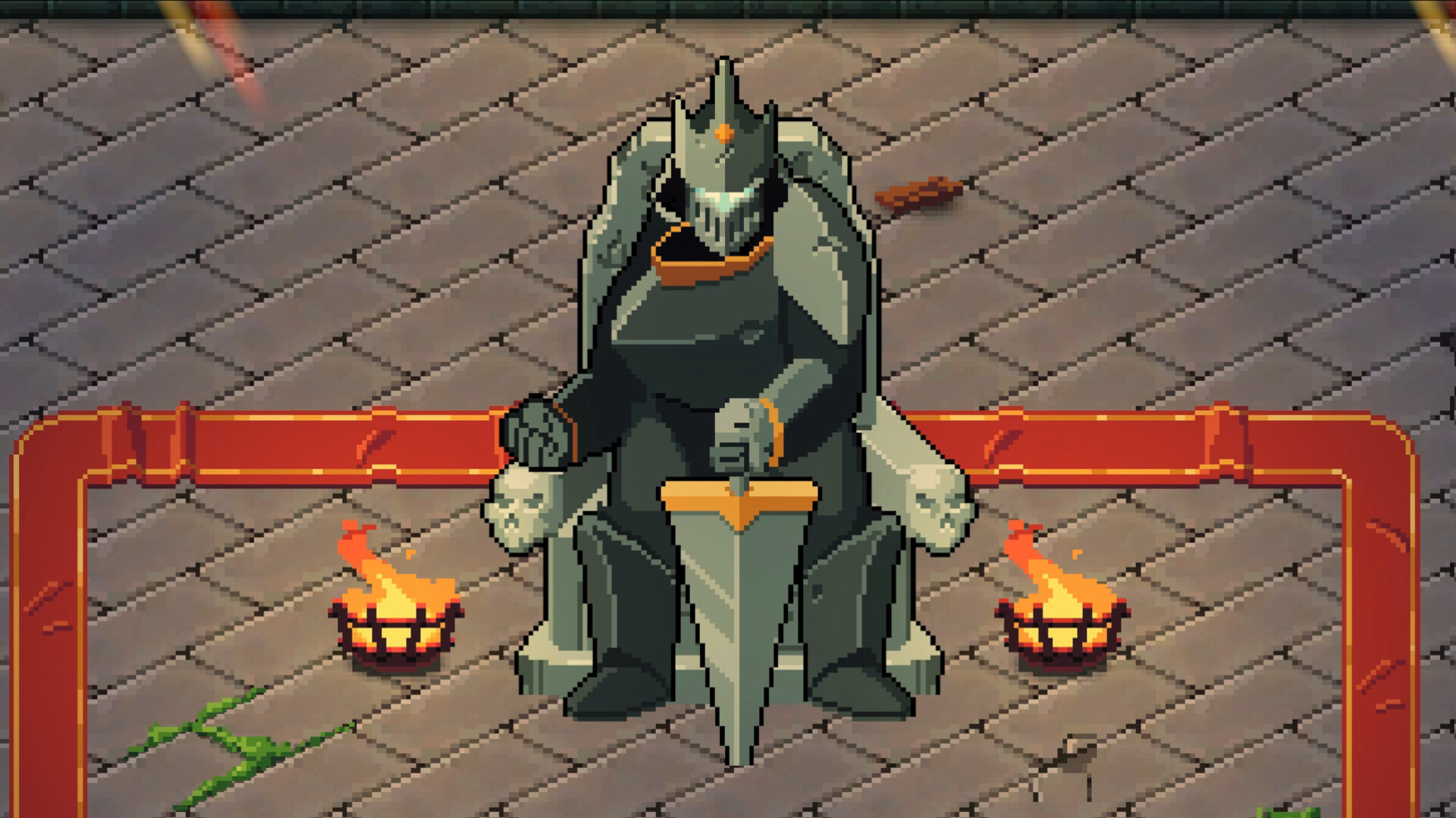 In development